常问问题
消息

Leading 4mm titanium + 6mm steel ultra-thin explosive clad plates have been successfully mass-produced.

Leading 4mm titanium + 6mm steel ultra-thin explosive clad plates have been successfully mass-produced.

January 19, 2026

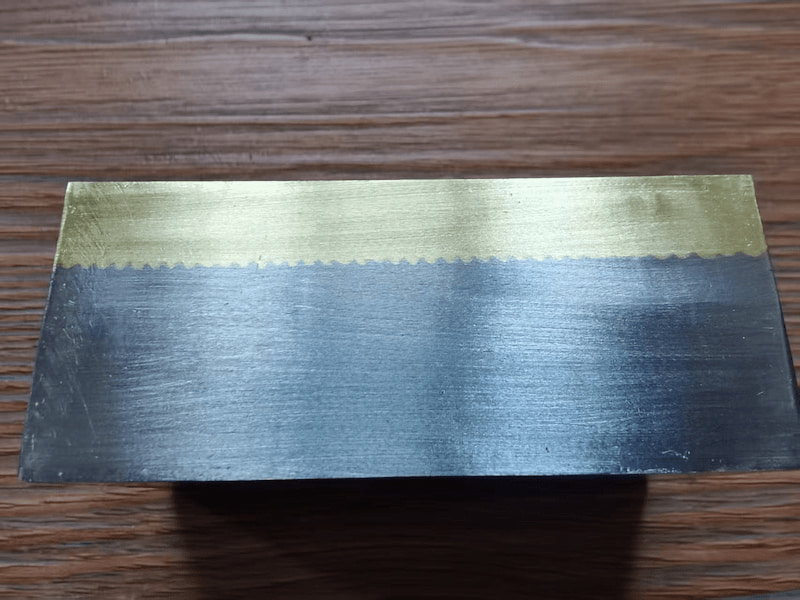
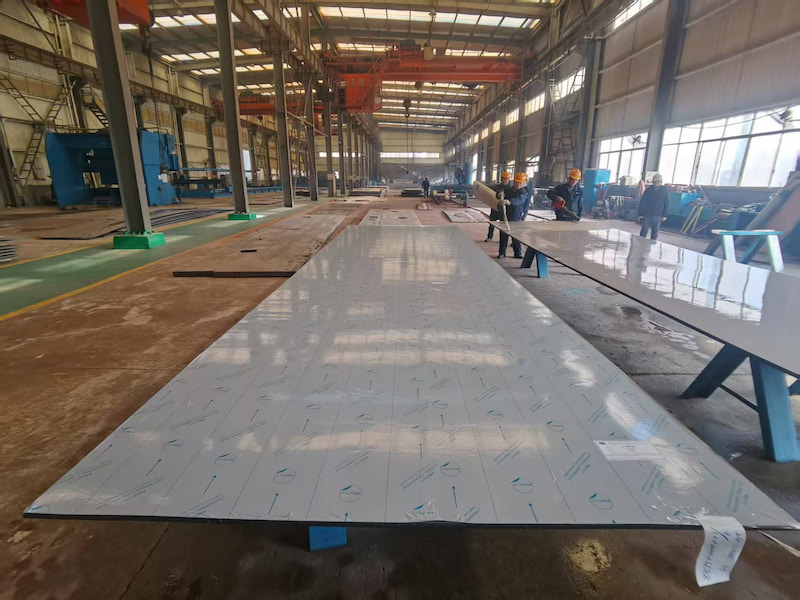
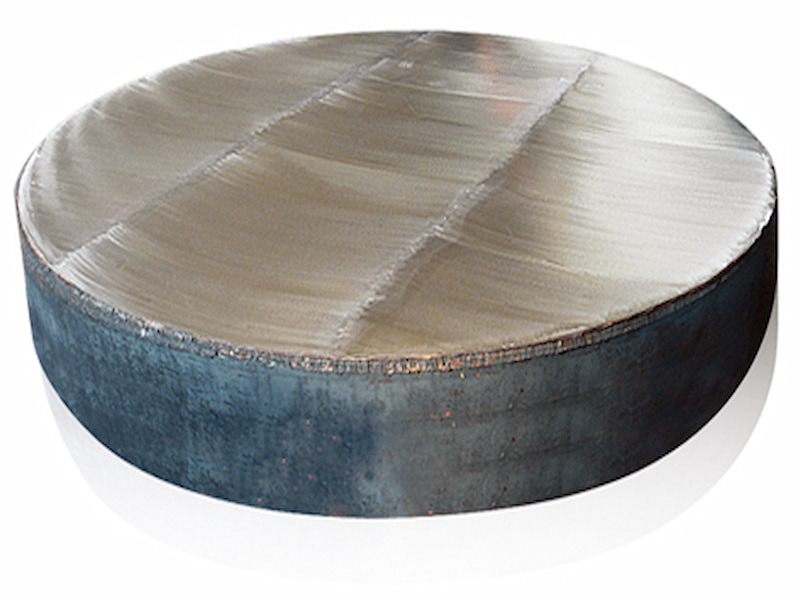
Nanjing Baotai Metal Composite Materials has recently achieved a major breakthrough with the successful mass production of ultra-thin, explosion-bonded clad plates consisting of 4 mm of titanium and 6 mm of duplex stainless steel.

This product overcomes the technical barriers associated with ultra-thin composite materials made from dissimilar metals by combining the excellent corrosion resistance of titanium with the high strength and toughness of duplex stainless steel.

Industry breakthrough: Ultra-thin composite new material defines peak performance.

In the field of high-end manufacturing, the performance limits of materials often determine the competitive limits of products. Traditional composite materials struggle to balance lightweight properties with strength and toughness, and the presence of a transition layer increases process complexity and potential failure risks.

However, the 4 mm titanium + 6 mm duplex stainless steel ultra-thin explosion-bonded clad plate produced this time completely changes this situation thanks to its revolutionary "no transition layer" design.

Despite its total thickness of just 10 millimetres, this composite material achieves a direct metallurgical bond between the titanium and steel layers. It perfectly combines the acid and alkali resistance and corrosion resistance of titanium alloy with the high strength and toughness of duplex stainless steel, exhibiting excellent stability under extreme working conditions.

The R&D team successfully created a uniform wavy bonding interface by precisely controlling the explosion speed and collision parameters. This interface ensures the mechanical properties of the material and fundamentally eliminates problems such as weakened bonding and corrosion risks caused by traditional transition layers.

ultra-thin explosive clad plates

Overcoming Barriers: A core technological breakthrough leads to a manufacturing revolution.

Ultra-thin dissimilar metal composite materials have long posed a significant challenge in materials science. Significant differences in physical properties, the extreme deformability of ultra-thin substrates and the difficulty of achieving metallurgical bonding without a transition layer present formidable technical challenges.

The research and development team encountered several challenges: titanium and duplex stainless steel exhibit significant variations in their thermal expansion coefficients and elastic moduli, and explosive bonding in the ultra-thin state can easily result in plate warping and uneven bonding. Furthermore, the absence of a transition layer necessitates direct and robust atomic-level bonding between the two metals.

Process breakthroughs were essential. The team innovatively optimised the explosive composition and laying process to achieve precise control of detonation wave propagation. They also developed unique buffering and protection technologies, as well as post-composite stress relief processes to ensure the flatness and dimensional accuracy of the ultra-thin plates.

This technological breakthrough realised the product itself and formed a complete, ultra-thin, explosive composite process system. This provides a replicable technical path for the composite of more dissimilar metal combinations and has profound industry significance.

thin explosive clad plates

With its broad applications, this ultra-thin explosive clad plate is injecting strong development momentum into multiple fields, which is having a significant impact on the industry as a whole.

This ultra-thin explosive clad plate has many advantages. It is lightweight, strong, corrosion-resistant and cost-effective. This makes it very useful in several high-end fields.

In the new energy sector, particularly in the new energy vehicle industry, this material is ideal for use in battery pack casings. Its high specific strength meets lightweight requirements, the titanium layer is resistant to corrosion in extreme conditions such as electrolyte leakage, and the duplex stainless steel layer provides excellent impact protection. This improves the safety and range of battery systems comprehensively.

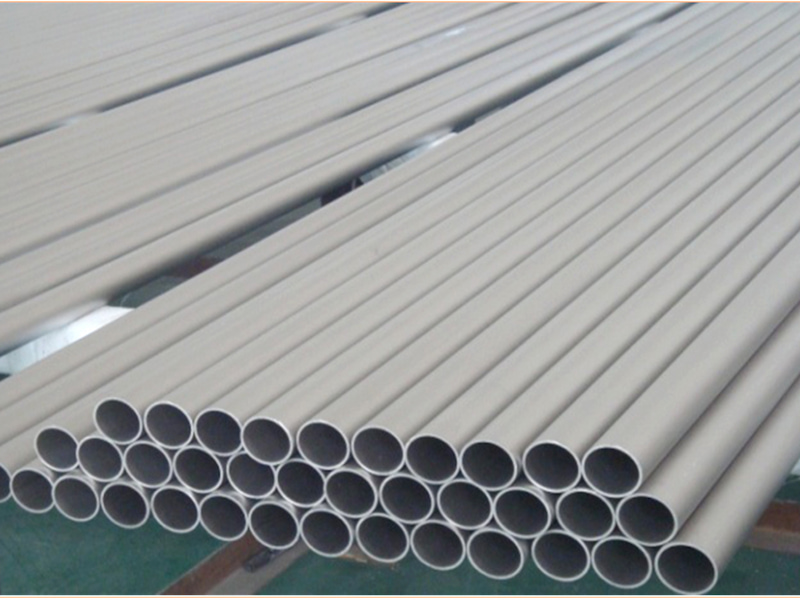
In petrochemical and marine engineering, the material's value is particularly evident. It is ideal for use in deep-sea oil and gas extraction pipelines, chemical reactor linings and critical components in harsh, corrosive environments. Compared with pure titanium equipment, the overall cost can be reduced by 30–40%, and compared with traditional stainless steel equipment, the service life is expected to increase by more than 50%, which would significantly reduce life-cycle maintenance costs.

Furthermore, in fields with extremely stringent performance requirements for materials, such as nuclear power equipment, aerospace and high-end special vessels, this composite material provides an alternative material solution. It can replace expensive pure titanium or special alloys, reducing costs while overcoming the performance limitations of single steel materials and achieving an optimal balance between safety and economy.


联系我们
No.29 Gaohu Road, JiangNing Development Zone, Nanjing, China
订阅
请继续阅读、关注动态、订阅,我们欢迎您告诉我们您的想法。
提交

留言

留言
如果您对我们的产品感兴趣并想了解更多详细信息,请在此处留言,我们会尽快回复您。
提交

产品

WhatsApp

接触